Start with the load and placement point
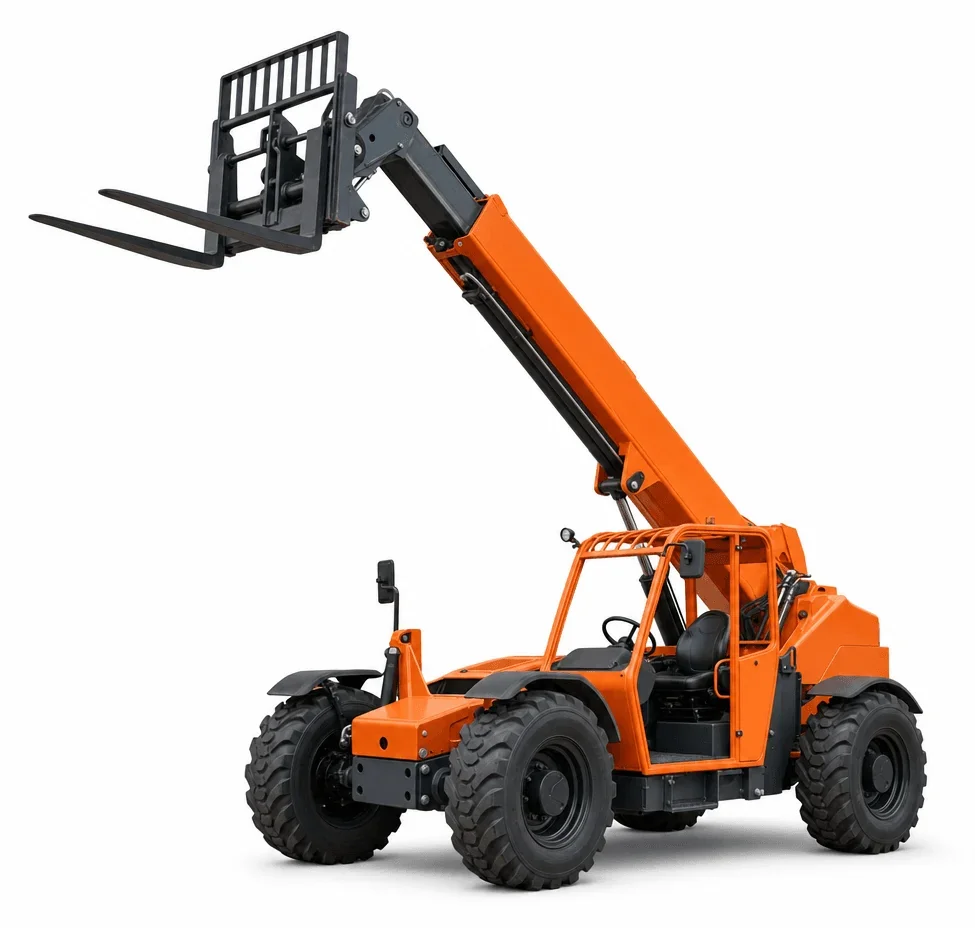
Define the job in three numbers: - Weight on the forks or attachment - Load center (how far the weight sits from the carriage) - Height and reach to the placement point
Compare these to the machine’s load chart at the planned boom angle and extension. If the placement point sits behind a barrier or over a slab edge, add standoff distance to the calculation.
Ground conditions and tire package
Red‑clay soils can pump and rut under repeated passes. Larger tires, rough‑terrain axles, and appropriate stabilizing features increase margin on uneven approaches, but allowable setup still depends on current ground support and the unit’s instructions. For mixed interior/exterior projects where the machine crosses thresholds and finished slabs, plan route protection and confirm turning space.
Visibility and traffic flow
Material drops near active docks or in busy yards require predictable paths. In local distribution areas, telehandlers often weave around trailers and containers. Shorter wheelbases improve maneuvering; higher‑capacity models improve reach but bring larger turning radii and tailswing.
Power and attachments
Diesel units dominate outdoor work. Where indoor placement is necessary, site ventilation rules drive whether a low‑emission package fits. Attachments such as carriages or truss booms change load geometry; consult the specific chart for each attachment configuration when planning.
When a different machine fits better
- Repetitive pallet work on smooth slabs: consider /forklift-rental/
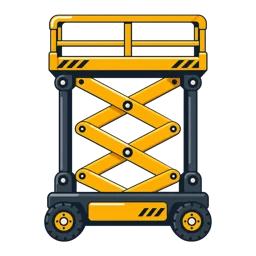
- Elevated personnel access instead of material placement: /boom-lift-rental/ or /rough-terrain-scissor-lift-rental/
Common Shreveport use cases
- Palletized MEP and racking deliveries to mezzanine edges in large interiors
- Roof edge material placement where parking setbacks prevent close staging
- Yard material handling across soft, weather-affected surfaces