Start with the access path and obstacle profile
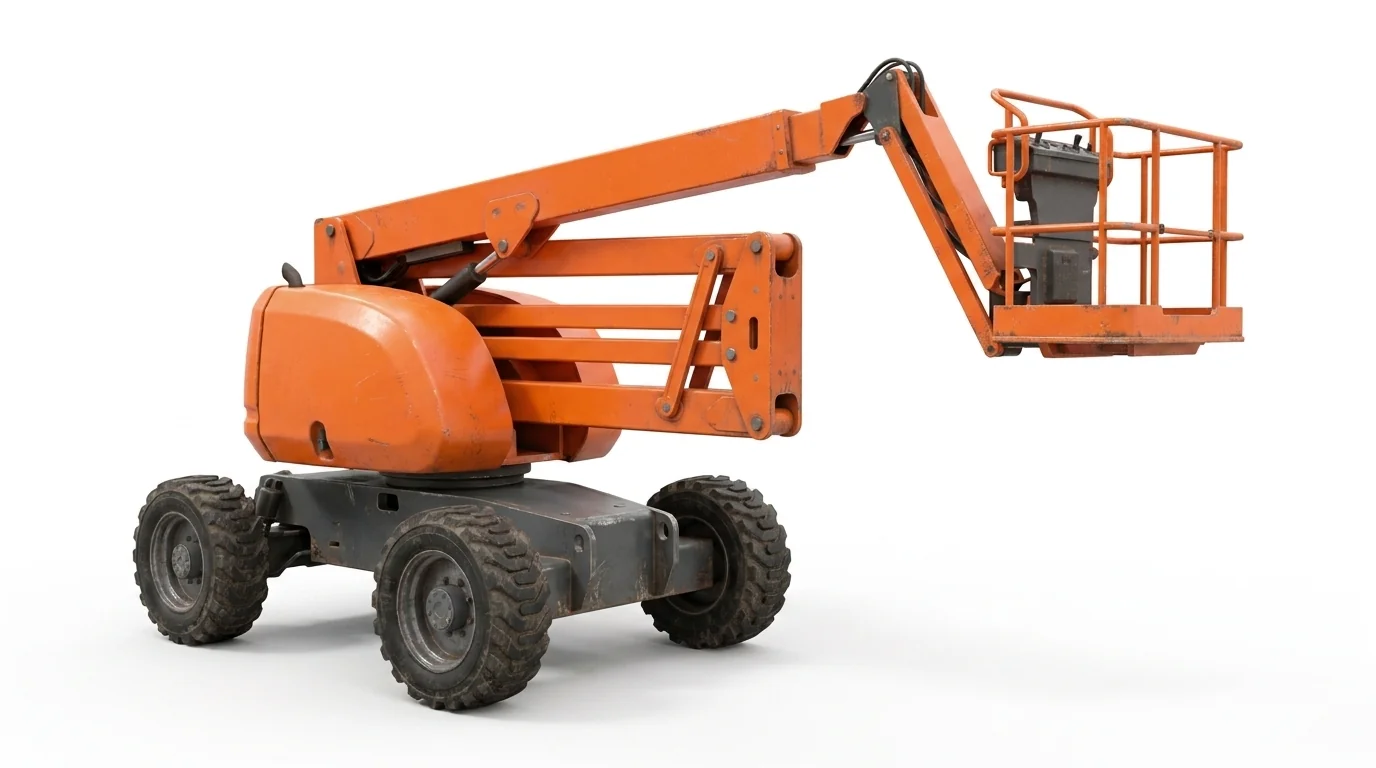
Articulated knuckles matter most when the work point sits behind an obstacle. Map the approach: - Can the machine sit directly under the task, or must it reach over equipment or a parapet? - How narrow are the travel aisles and doorways in the route from staging to work? - Are overhead sensors, cable trays, or sprinkler lines close to the boom’s swing path?
In local distribution buildings and automated storage areas, side-to-side positioning is often limited. A compact platform with multiple articulation points lets the operator place the basket without pushing the chassis into tight corners.
Match power type to the environment
Shreveport’s regional climate brings humid conditions that influence indoor choices. In non‑climate‑controlled interiors, moisture can affect electric components if the unit is left in damp zones. For routine indoor maintenance, electric articulating models limit exhaust and noise. For mixed indoor/outdoor days, hybrid or diesel options may be considered where ventilation is adequate and site procedures allow it.
Tire and surface considerations on red‑clay sites
Exterior staging often sits on slick, uneven soils after rain. Plan for rough‑terrain capability if the approach includes slopes, soft spots, or aggregate over clay. Foam‑filled or rough‑terrain tires and oscillating axles expand site options, but actual stability depends on the selected unit’s instructions and current ground conditions.
Working envelope and joint geometry
Articulating booms trade some horizontal reach for up‑and‑over capability. Narrow the range by measuring: - Maximum height of the obstacle to clear - Lateral offset from the chassis to the work point - Minimum standoff distance you can maintain without contacting the obstruction
If the task is a straight shot with no obstructions, a straight boom may be more efficient. See /telescopic-boom-lift-rental/ and /boom-lift-rental/ for comparison.
Common Shreveport use cases
- Sensor, racking, and conveyor access in high‑bay interiors
- Signage and lighting over landscaped islands along busy corridors
- Exterior building work where parking can’t get close to the facade
Related categories
- For long, unobstructed reaches: /telescopic-boom-lift-rental/
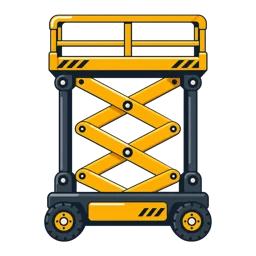
- For slab-only indoor work at lower heights: /electric-scissor-lift-rental/
- For uneven exterior approaches: /rough-terrain-scissor-lift-rental/