Map the access path
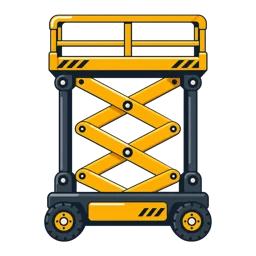
- Straight up with space to sit below the task favors scissor lifts.
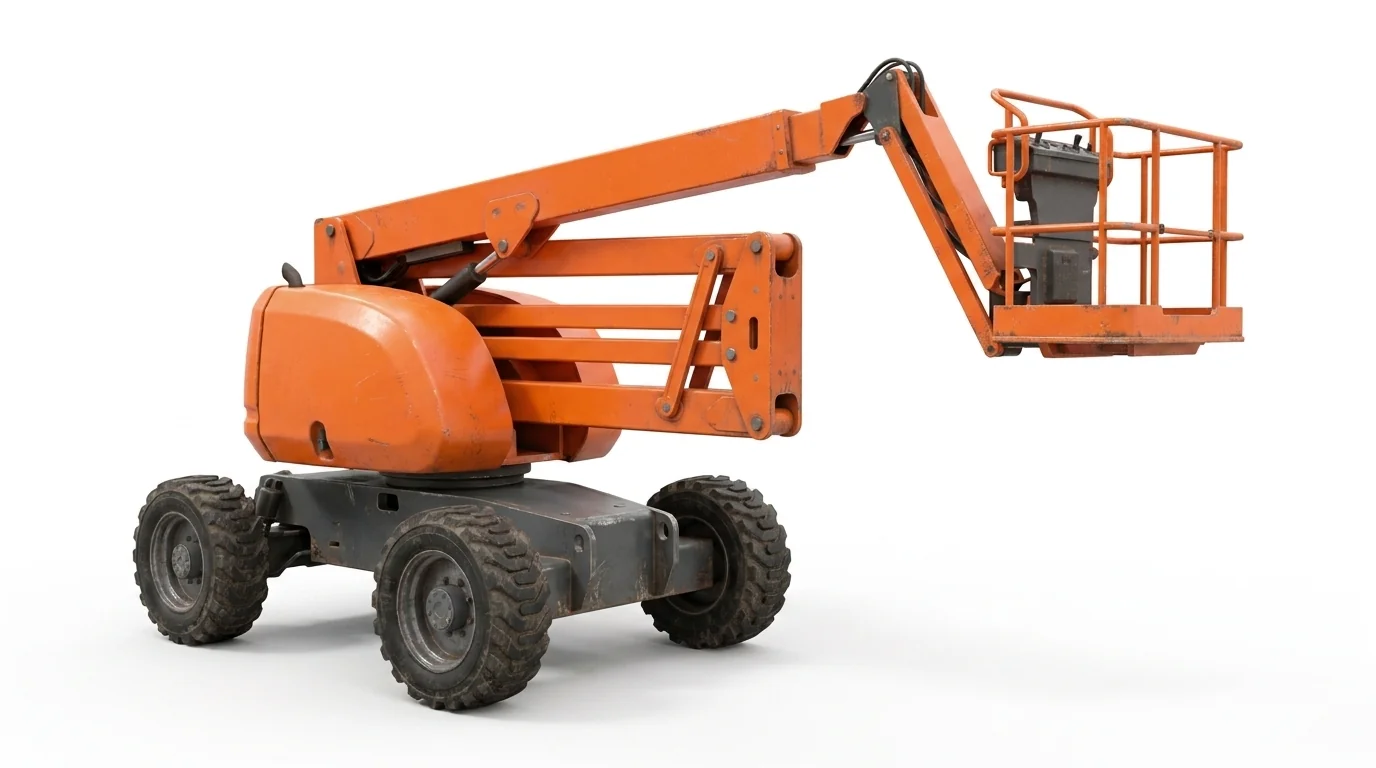
- Up‑and‑over around conveyors, pipe racks, or façade features points to articulating booms.
- Long horizontal reach to signs or structures beyond setbacks leans toward telescopic booms.
Interiors in local distribution buildings reward compact electric scissor lifts for quiet operation and non‑marking tires. Outdoor work faces humid weather and red‑clay ground that can remain soft after storms, often requiring rough‑terrain scissors or booms with appropriate tires and clearance.
Compare common categories
- Electric scissor lifts: slab use, tight aisles, measured door routes. See /electric-scissor-lift-rental/.
- Rough‑terrain scissor lifts: unfinished grades and soft soils. See /rough-terrain-scissor-lift-rental/.
- Articulating boom lifts: up‑and‑over reach for obstacle‑rich areas. See /boom-lift-rental/ for category overview.
Constraints that narrow the field
- Working height and horizontal reach required.
- Machine width vs. the narrowest doorway, aisle, or gate.
- Surface firmness and slope from staging to the work zone.
- Power source: battery indoors; engine or hybrid outdoors.
Exterior and elevated work depends on real‑time site conditions, weather, the selected unit’s instructions, and on‑site procedures. Confirm route stability after heavy rain and verify clearances near overhead utilities and building systems.