Start with obstacles and stand‑off distance
- Are there conveyors, pipe runs, or mezzanines blocking a straight path? That suggests articulating segments.
- Is the target far across open air with few vertical obstacles? Telescopic reach may be faster.
- How much set‑back is forced by landscaping, curbs, or unstable soils common after rain?
Local interiors favor quiet, precise positioning around high‑bay systems. Outdoors, red‑clay areas can rut or slick up, so ground clearance and tire selection influence which boom configuration can approach safely and efficiently.
Articulating vs. telescopic in practice
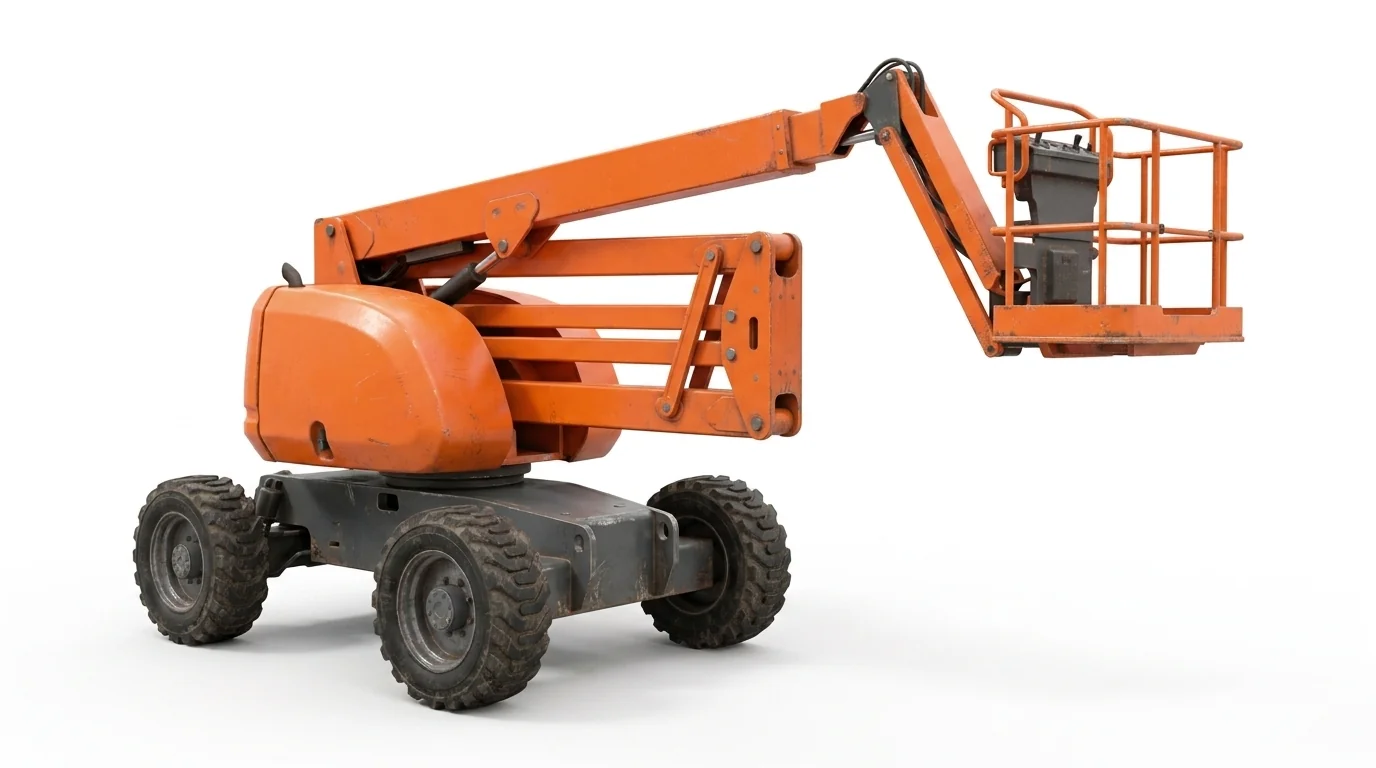
- Articulating boom: multiple joints to go up‑and‑over and tuck into tight spots. Useful where equipment or structures limit straight lines.
- Telescopic boom: straight sections extend for long horizontal reach and faster line‑of‑sight positioning to signs or lighting beyond setbacks.
Key measurements
- Required platform height and horizontal reach to the workface.
- Machine width and tailswing versus gates, aisles, and traffic lanes.
- Surface slope and firmness from staging to the work, especially after wet weather.
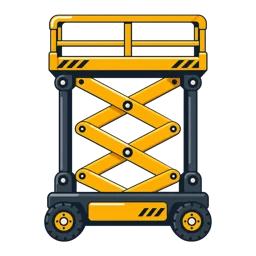
For vertical‑only tasks on firm slabs, a scissor lift may be more efficient. See /aerial-lift-rental/ to compare categories or /electric-scissor-lift-rental/ for interiors.
Exterior and elevated work depends on conditions, the selected unit’s instructions, and site procedures. Reassess approach paths after storms before returning to height.