Fit the platform to the aisle and task
- Can the lift stage directly under the task, or do conveyors and pallet positions force offset positioning?
- What platform capacity is needed for parts bins, lighting fixtures, or duct sections?
- Are there sprinkler mains, signage, or sensors overhead that limit raised travel?
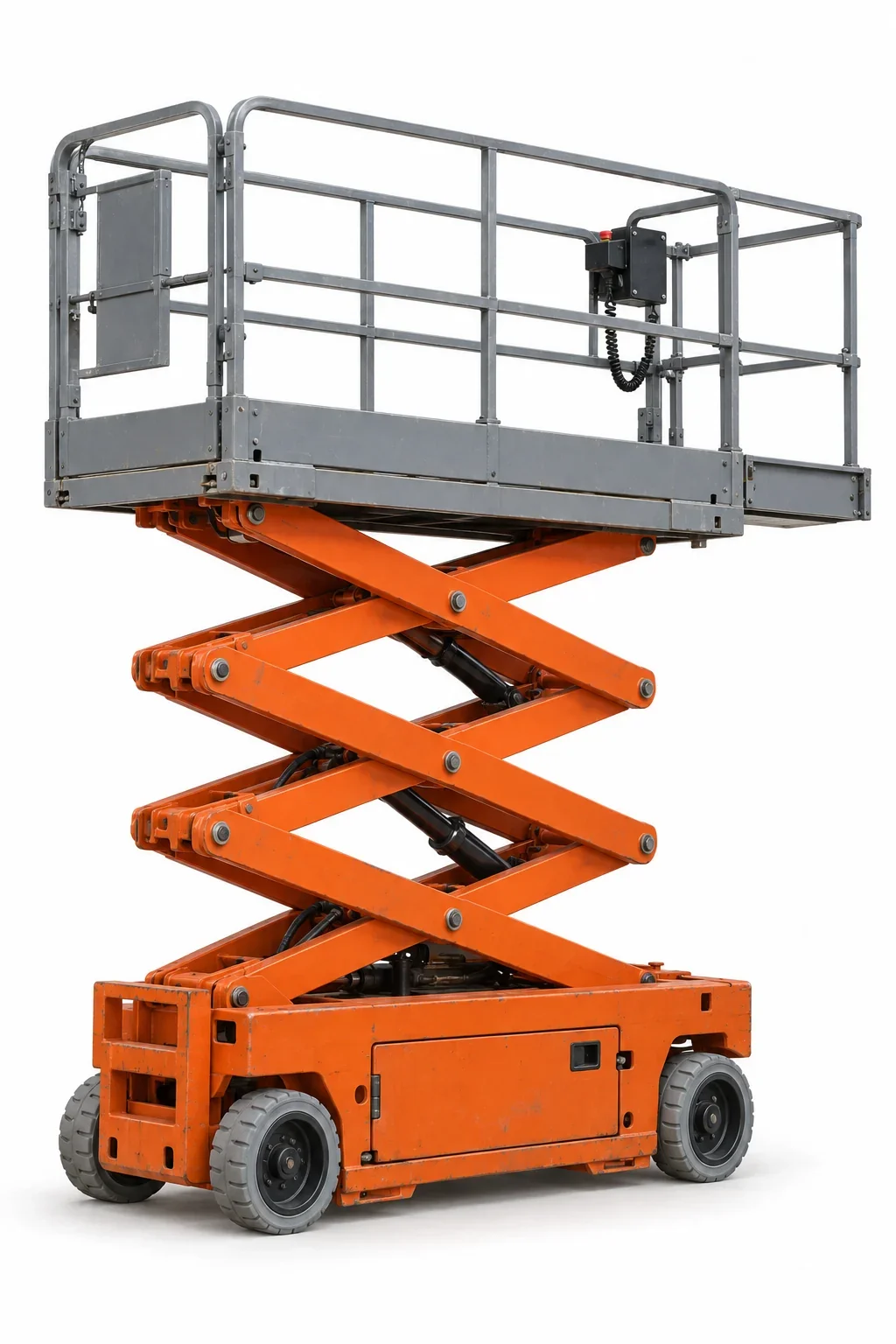
Interior distribution buildings often combine polished slabs with tight rack clearances. A narrower electric scissor minimizes rack strikes and eases turns, while a longer platform extension can reach centerlines over conveyors or along wall runs.
Regional climate considerations
The regional climate is humid and sees frequent rain events. When electric units are stored or staged in non‑climate‑controlled spaces, moisture can affect connectors and onboard sensors. Planning for dry staging areas and routine checks helps keep indoor work predictable.
Measurements that narrow the choice
- Maximum working height vs. clear height under sprinklers and lighting.
- Machine width compared to the narrowest aisle or doorway on the route from loading dock to work zone.
- Floor loading limits for mezzanines or elevated slabs where applicable.
- Charging access and turnaround space near the work area to reduce deadhead moves.
When a scissor isn’t enough
If the lift cannot sit directly below the work, vertical reach alone may not solve the geometry. For up‑and‑over tasks around machinery or racking, review /boom-lift-rental/ and the broader /aerial-lift-rental/ options.
Exterior and elevated tasks depend on actual site conditions, the selected unit’s instructions, and established procedures. Verify the route for ramps, transitions, and any expansion joints that could limit wheel loads.