Define the route and pallet details
A good match starts with measurements: - Smallest doorway and aisle on the route - Turning space at pick and drop points - Pallet width, length, and weight - Rack beam height and lower rack overhangs
These define mast height, carriage, and truck class. Tight interiors often favor three‑wheel electrics or stand‑ups; longer runs and heavier loads push toward sit‑down electrics or LP/diesel models where ventilation rules allow.
Power type in humid, mixed environments
Electric trucks reduce emissions indoors, but persistent humidity in non‑conditioned spaces can influence battery and connector care. Internal‑combustion units handle outdoor dock aprons and yard transfers but bring exhaust and noise; site policies decide what’s acceptable.
Tires and surfaces from slab to red clay
- Cushion tires: smooth, sealed floors and tight turning
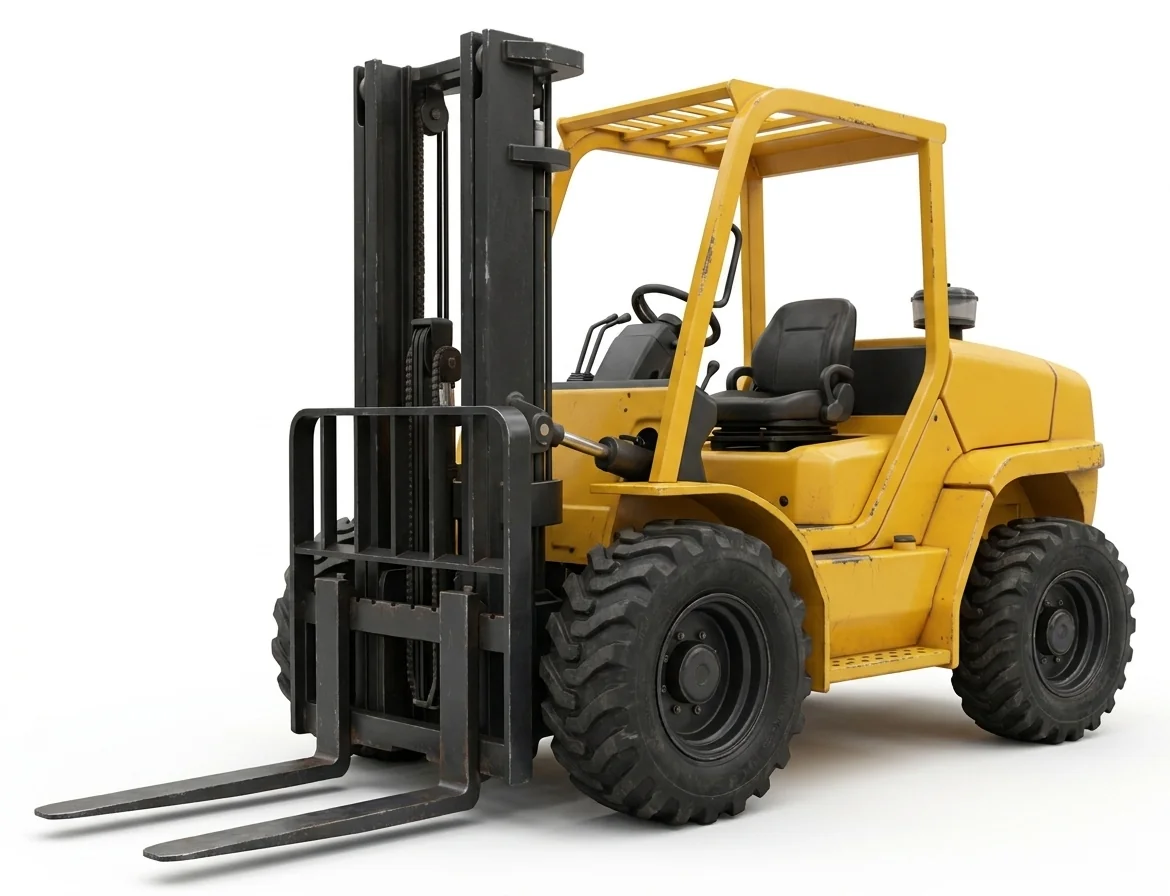
- Pneumatic or solid pneumatics: dock aprons, expansion joints, and occasional yard work
If the route crosses clay or gravel before reaching a slab, plan for ground transitions and check grade limits per the selected unit’s instructions.
When another category fits
- Elevated people and tools, not pallets: /electric-scissor-lift-rental/ for slabs; /rough-terrain-scissor-lift-rental/ for uneven exteriors
- Material placement beyond rack faces or over obstacles: /telehandler-rental/
Common Shreveport tasks
- Pallet moves between dock high doors and deep-bay storage
- Staging components for maintenance in large interiors
- Short yard shuttles between buildings when conditions permit