Placement around active material flow
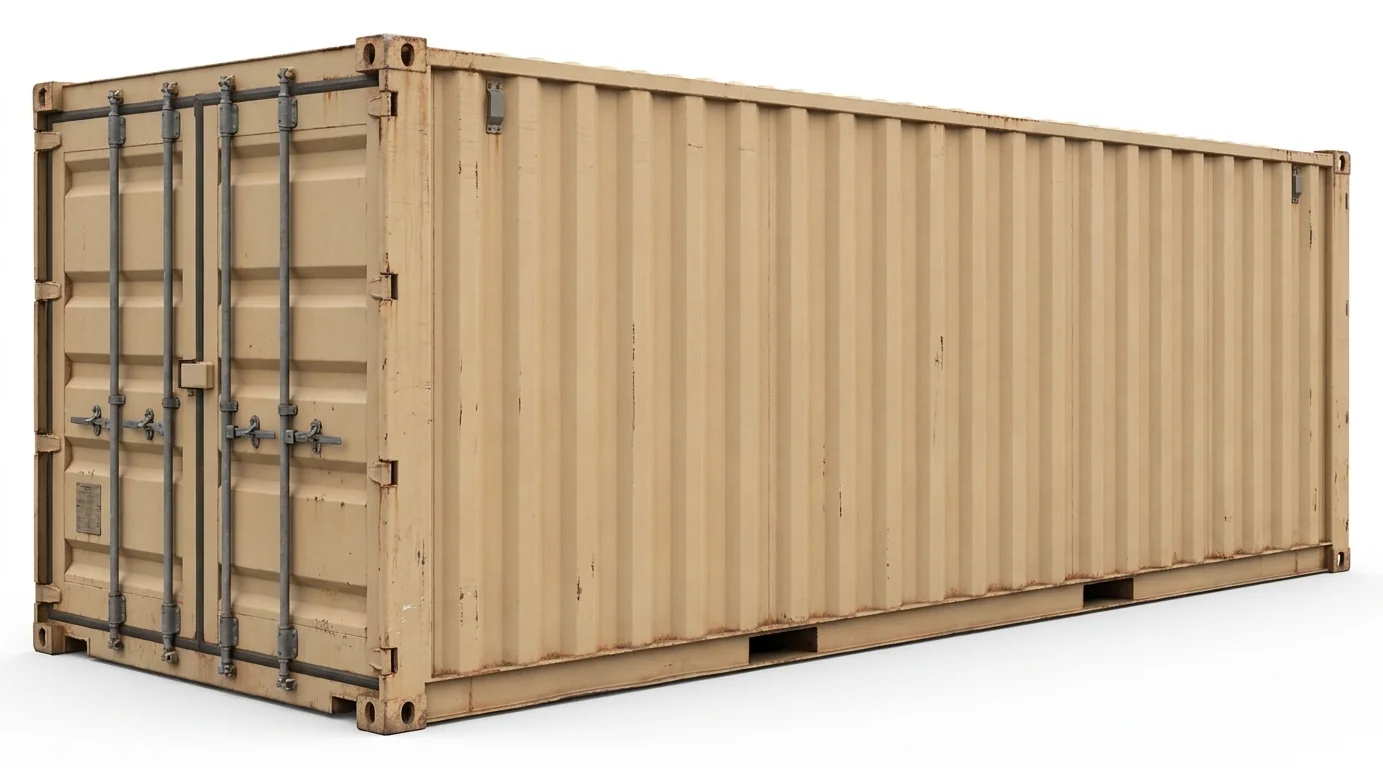
In local distribution buildings, containers often stage at docks or in yard space near loading lanes. The key question is whether forklifts and scissor lifts can move past the box without pinching aisles. Map door orientation to the flow: doors toward the dock if items feed inside; doors away if the box supports outdoor tasks.
Surface and subgrade in red-clay conditions
Northwest Louisiana’s clay can pump and rut under repeated loads, especially after rain. A container set on soft ground can rack slightly, making doors hard to open. Hardstand or well-graded base improves usability. If placement must be on soil, anticipate settling and confirm there’s room to re-level without blocking access routes.
Access route and delivery geometry
Measure gate width, turning radius, and overhead clearance for the delivery truck. In dense yards, the best spot for the container may not be reachable without a multi-point maneuver, which can be tight during wet seasons. Keep approach lanes wide where booms or telehandlers operate; swinging counterweights and fork carriages need buffer space. For adjacent lift work, compare /forklift-rental/, /telehandler-rental/, and /rough-terrain-scissor-lift-rental/.
Contents, climate, and condensation
Shreveport’s humidity and temperature swings can lead to interior condensation, particularly if warm air is trapped against cooler steel walls. Sensitive materials fare better with cross-ventilation or placement out of direct afternoon sun. When containers support indoor projects around automation or high racks, locate them so traffic from /electric-scissor-lift-rental/ units and pallet runs stays unblocked.
Quick constraints that narrow the choice
- Door orientation vs. loading path
- Ground bearing and the likelihood of post‑storm settling
- Truck approach: width, overhead lines, and turning room
- Proximity to lift traffic and swing radii
- Sensitivity of contents to humidity and heat
Actual site conditions, the selected unit’s instructions, and site procedures govern handling and placement.